Recent Trends in Credit Cards: The Impact of Fintechs and Digital Payments
The Evolution of Credit Cards: A Deeper Look
The transformation of credit cards has not only been influenced by technological advancements but also by changing consumer behaviors and preferences. Understanding this evolution is crucial, as it provides insights into how to make the best financial decisions in a rapidly changing landscape.
Key Influences Transforming Credit Cards
- Fintech Innovations: Companies like Square and Stripe have pioneered innovations that enhance payment processes. For instance, Square’s point-of-sale systems have transformed small business transactions by enabling merchant payments via smartphones and tablets, making it easier for entrepreneurs to accept credit card payments without complex setups. Additionally, Stripe facilitates online payments safely and effortlessly, allowing businesses to focus on growth rather than payment intricacies.
- Digital Payments: The rise of contactless payments and mobile wallets like Apple Pay and Google Pay highlights the demand for convenience and speed. Consumers can tap their phones or cards at checkout to complete transactions in seconds. This method not only saves time but also increases security, as many contactless systems incorporate advanced encryption technologies, limiting the risk of fraud.
- Personalization: Today, credit card providers use data analytics to create experiences that cater to individual preferences. For example, a cardholder who frequently dines out might receive personalized offers for restaurant rewards or cash back on dining purchases. Such targeted strategies not only enhance customer satisfaction but also increase spending loyalty among consumers.
These trends signify a shift towards a more integrated, user-centric approach in the credit card industry. Consumers increasingly seek cards that offer not only the conventional perks like rewards points and low-interest rates but also features that resonate with their evolving payment preferences.
The Future of Credit Cards
The future of credit cards promises even more exciting developments as fintech companies continue to innovate. Features like virtual cards, which generate a temporary card number for online shopping, add a layer of security that mitigates the risk of exposing sensitive information. Moreover, real-time tracking of transactions allows consumers to monitor their spending patterns immediately, fostering better financial habits.
As these advancements unfold, staying informed will empower consumers to navigate their options effectively. This understanding not only helps in selecting the most suitable credit card but also encourages wise financial management, ensuring that individuals can harness these new tools to their advantage.
DISCOVER MORE: Click here to learn how to apply
Modernizing Payment Systems: The Role of Fintechs
The advent of financial technology, commonly referred to as fintech, has significantly reshaped the landscape of credit card usage. By integrating advanced technology with everyday banking practices, fintech companies are streamlining how consumers manage their finances, pay, and even earn rewards. This transformation extends beyond merely digitalizing transactions; fintechs are redefining the entire credit card experience.
Enhanced Accessibility and Inclusivity
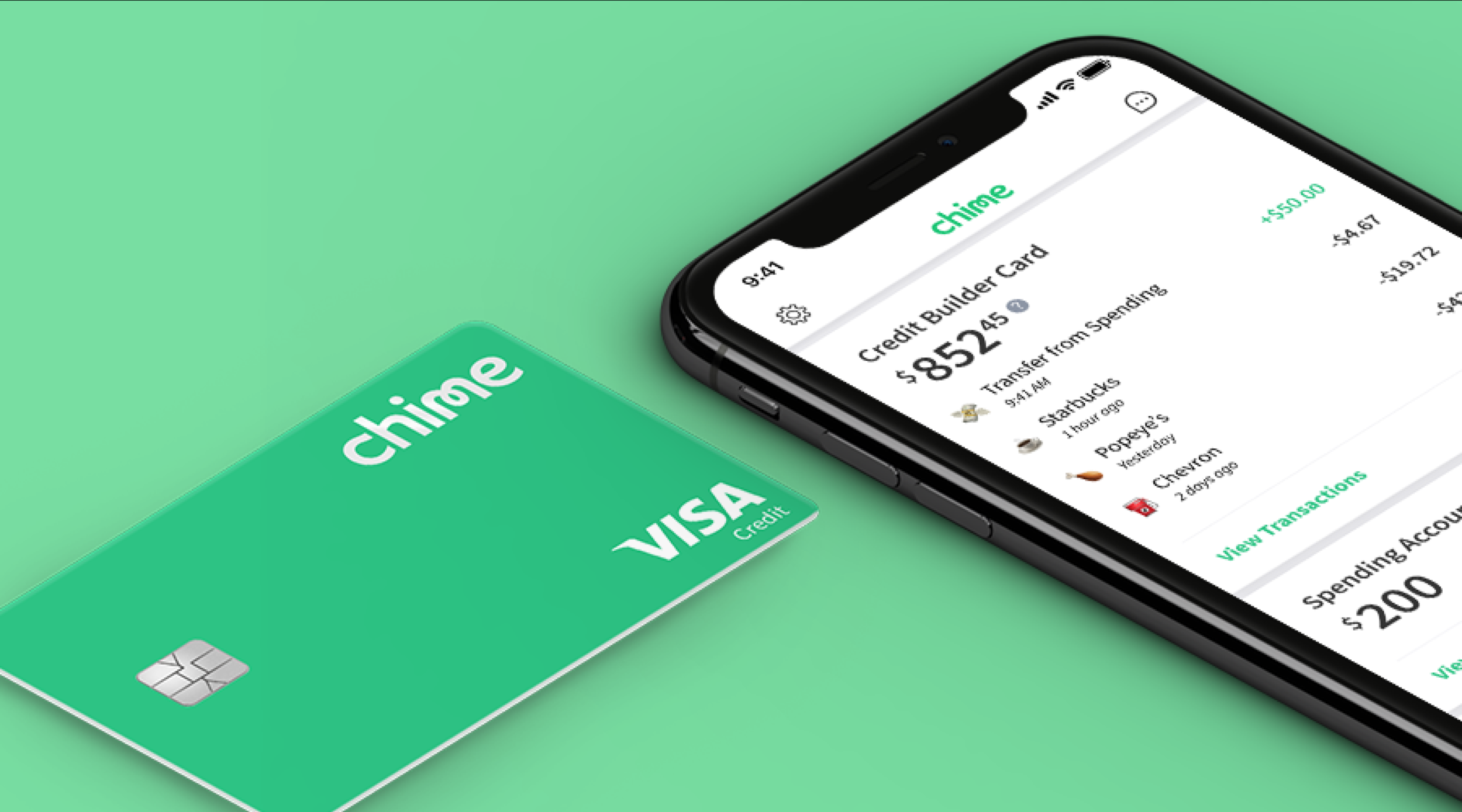
One of the most notable contributions of fintechs is the enhancement of accessibility to credit services. Traditional credit card issuers often require stringent credit checks and significant income verification, which can leave many potential consumers unable to qualify for a card. Fintechs, on the other hand, utilize alternative data sources such as social media activity or payment histories to assess a user’s creditworthiness more inclusively. This results in greater access to credit for underserved populations, allowing individuals who might have been denied by traditional banks to obtain cards and build their credit profiles.
Innovative Credit Products
Alongside improved accessibility, fintechs are launching innovative credit products tailored to meet specific consumer needs. Here are a few examples of these innovative offerings:
- Secured Credit Cards: These cards require a cash deposit that serves as your credit limit, making them a great option for those seeking to build or rebuild credit.
- Credit Builder Loans: By borrowing small amounts and making regular payments, consumers can improve their credit scores while establishing a positive payment history.
- Instant Credit Approvals: Many fintech companies can offer immediate credit approvals through user-friendly apps, allowing consumers to access funds without the waiting periods associated with traditional banks.
These products not only empower consumers but also foster a competitive marketplace, prompting traditional banks to rethink their offerings. As fintechs continue to innovate, conventional institutions may feel the pressure to adapt and keep up. This competition encourages better rates, lower fees, and more diverse options for consumers seeking credit.
Shifting Payment Behaviors in a Digital Era
The impact of digital payments cannot be overstated, especially in the context of credit cards. The inception of digital payment systems such as Venmo, Cash App, and various cryptocurrencies has accelerated the shift in how consumers perceive and engage with credit. Many consumers now prioritize convenience, seeking quick and seamless payment options. Mobile wallets and digital payment apps allow individuals to store their credit cards virtually, which not only simplifies transactions but also enhances security through advanced encryption methods. The rising popularity of contactless payments has further solidified this trend, as it caters to consumers’ desire for speed and ease in transactions.
As we witness these trends solidifying, it becomes clear that both fintech companies and digital payment innovations are not merely supplementary to the credit card industry; they represent a fundamental shift towards a more modern and efficient approach to credit. These changes are indicative of a broader movement in financial services, one that values user experience, security, and inclusivity above all else.
DISCOVER MORE: Click here for essential tips on applying!
Reimagining Rewards and Customer Engagement
As fintechs continue to emerge and thrive, there has been a noticeable shift in how credit card rewards and customer engagement strategies are structured. Rather than the traditional cashback or points systems tied exclusively to spending, many fintech companies have introduced innovative ways to earn and redeem rewards that resonate more deeply with consumer values and lifestyles.
Tailored Rewards Programs
Today’s consumers crave personalized experiences, and fintechs are stepping up to the plate by creating tailored rewards programs that align with individual spending habits. For instance, a card might offer higher rewards rates on groceries for families or travel perks for frequent travelers. These specialized programs not only foster customer loyalty but also encourage more meaningful spending, ultimately benefiting both consumers and the credit card providers.
One notable example is a fintech company that partners with local businesses to create a rewards ecosystem where users earn points for shopping at community establishments. This not only helps consumers save money but also supports local economies, creating a win-win scenario.
Gamification of Credit Card Usage
Another trend gaining traction is the gamification of credit card usage. By introducing game-like elements into the process of earning rewards, fintech companies motivate users to engage more frequently with their cards. For instance, some platforms allow users to complete challenges or missions, earning extra rewards for spending in specific categories or making on-time payments.
This interactive approach not only enhances user engagement but also instills positive financial habits. Consumers who may have previously seen credit card usage as a chore find enjoyment in earning rewards through gamified experiences.
Integrating Financial Education
As part of their customer engagement strategies, fintechs are not only offering cards but also taking an active role in educating their consumers. Many platforms now provide resources and tools to help users understand their spending, manage their credit, and make informed financial decisions. For example, budgeting tools and credit score trackers are now often integrated into mobile apps, allowing users to get real-time insights into their financial health while using their credit cards.
This focus on financial literacy empowers consumers to make smarter choices, leading to better credit management and healthier spending behaviors. For instance, by easily tracking expenses and setting budget goals, users can avoid overspending and prioritize necessary purchases.
Boosting Security and Trust
In an era where data breaches and identity theft are all too common, fintechs are prioritizing security features to enhance consumer trust in credit card usage. Many fintech companies employ advanced technologies such as biometric authentication and machine learning algorithms to detect fraudulent activities instantly. Features like virtual card numbers for online shopping and transaction alerts further bolster security, allowing users to feel more confident in their financial transactions.
This emphasis on proactive security measures not only protects consumers but also enhances their overall experience with credit cards, leading to increased adoption and engagement. As users feel secure in their transactions, they are more likely to utilize their credit cards more frequently, effectively driving a transformation in consumer behavior.
As we witness these changes, it’s clear that fintechs are not just enhancing credit card functionality; they are revolutionizing the entire credit card experience, placing a premium on personalization, engagement, education, and security. These advancements reflect a deeper understanding of consumer expectations in today’s fast-paced, digital-centric world.
DISCOVER MORE: Click here for the full details
Conclusion
In conclusion, the landscape of credit cards is undergoing significant transformation thanks to the influence of fintechs and the rise of digital payments. Fintech companies are reshaping traditional credit card offerings by introducing personalized reward programs, gamification elements, and enhanced security features, all tailored to meet the evolving needs of consumers today. This shift not only fosters greater customer engagement but also encourages responsible financial behaviors through educational resources and tools integrated into user-friendly platforms.
The emergence of tailored rewards systems, which focus on individual preferences and spending habits, exemplifies how fintechs are committed to enhancing customer loyalty. Moreover, the gamification of credit card usage creates a more engaging user experience, transforming what was once viewed as a mundane aspect of financial management into an enjoyable endeavor.
As security concerns remain paramount, the emphasis that fintechs place on innovative protective measures fosters consumer trust and facilitates greater adoption of credit card usage in our daily lives. By continually adapting to consumer expectations, fintechs are not only improving the functionality of credit cards but also empowering users with the knowledge and tools necessary for effective financial management.
Ultimately, the ongoing evolution in credit card offerings reflects a broader trend towards a more inclusive, engaging, and secure financial ecosystem. As we move forward, staying informed about these trends will be instrumental for consumers to make the most of their credit card experiences and to enhance their overall financial well-being.

Linda Carter
Linda Carter is a writer and financial expert specializing in personal finance and financial planning. With extensive experience helping individuals achieve financial stability and make informed decisions, Linda shares her knowledge on the our platform. Her goal is to empower readers with practical advice and strategies for financial success.